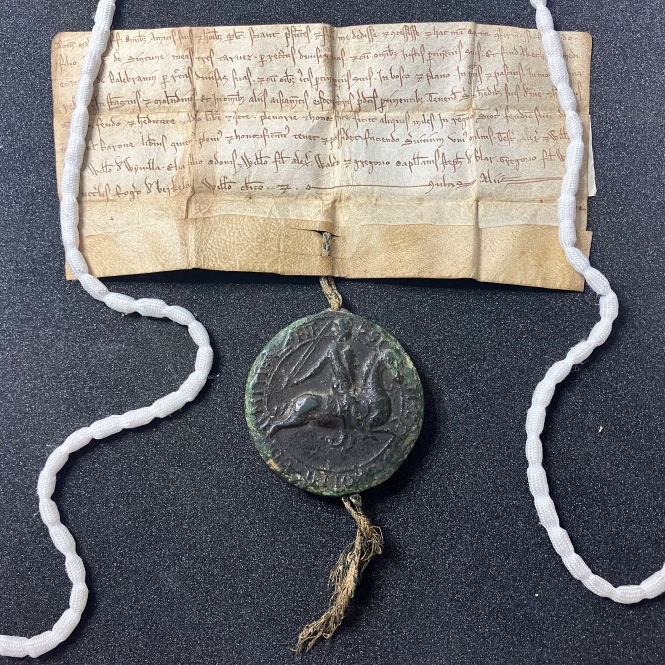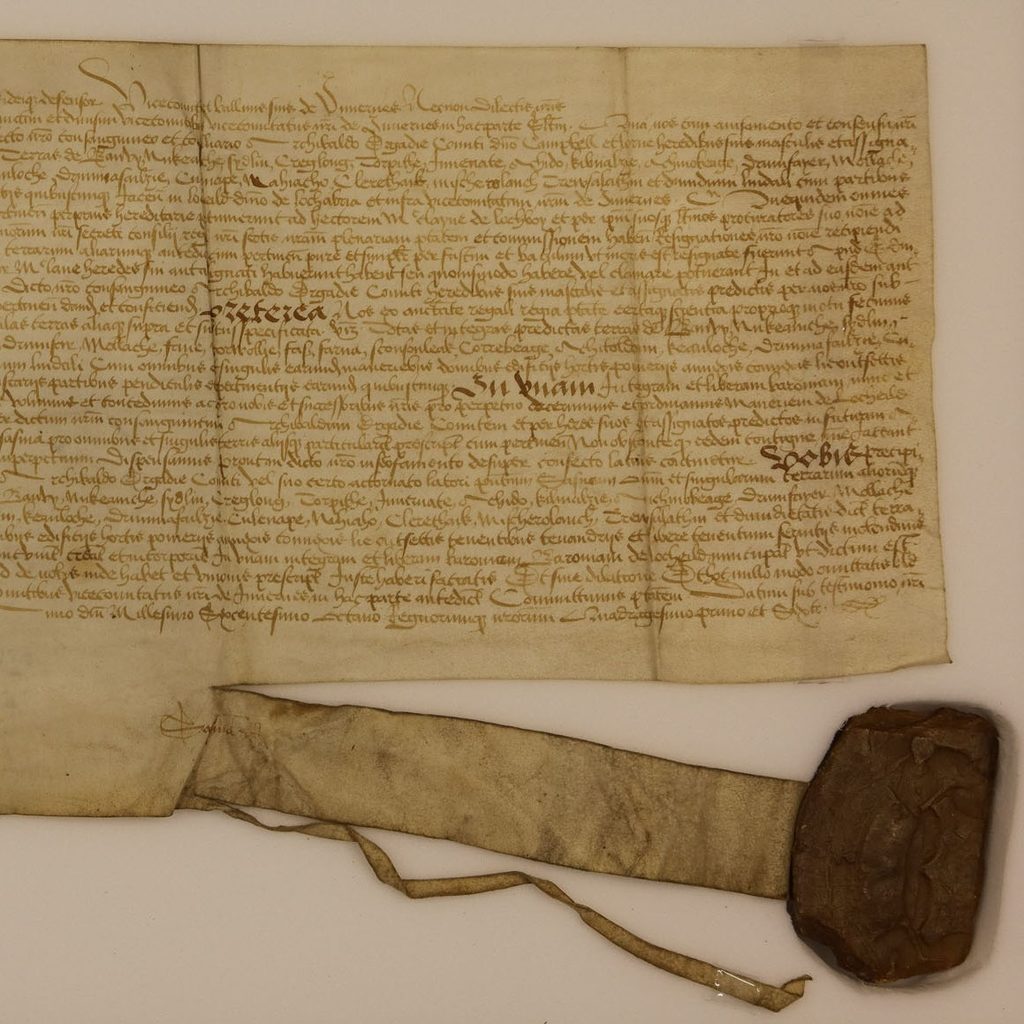
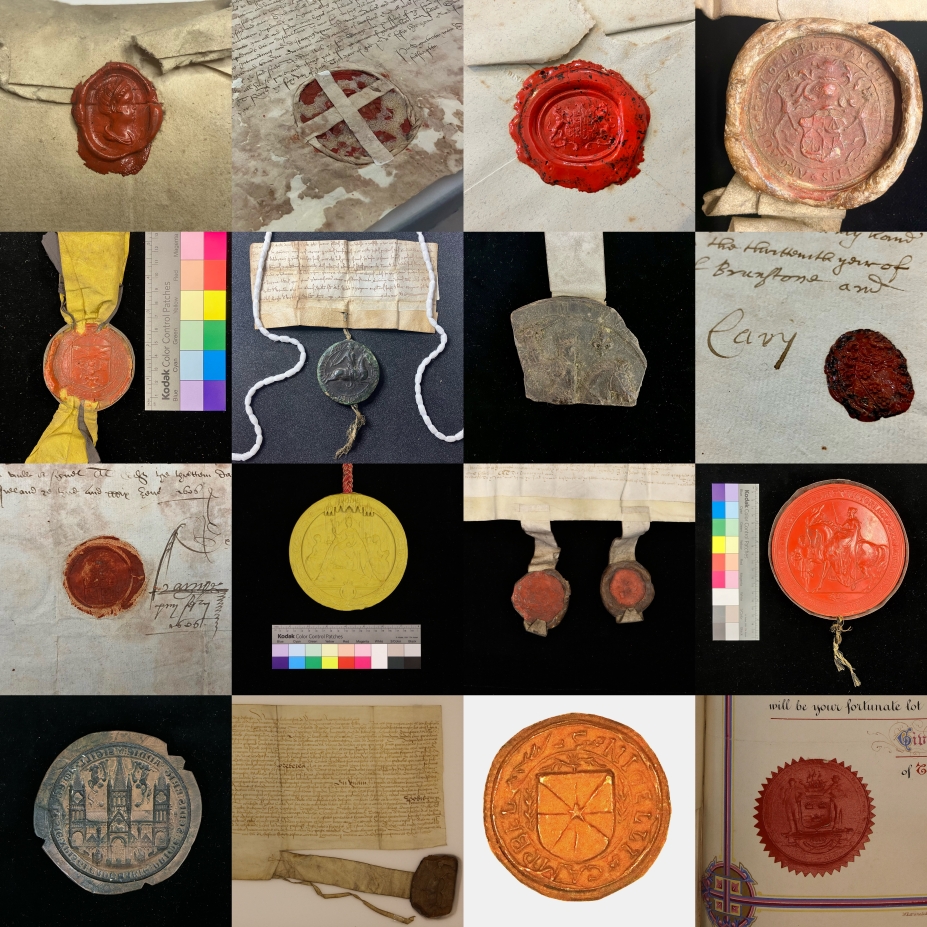
Among the many rabbit holes that can be ventured down in the archive, sigillography (the study of seals – but not the furry, blubbery kind!) is one of the most addictive. Seals are sometimes overlooked in an archival context as providing only supplementary information to the substance of a document: its text. However, they can reveal lots of useful information about the sigillant (the individual, institution or body doing the sealing) through the motifs, legends and other stylistic elements chosen to represent them. Moreover, a well-preserved parchment charter with a fine pendant seal is arguably the quintessential historical document. These records exist in countless archives and special collections across the globe, so it makes sense to know exactly what we’re dealing with.
Argyll Estates Archives is undoubtedly a sigillographer’s paradise just waiting to be explored. The hundreds of writs, charters, legal instruments and other items carrying seal impressions in the collection are an ideal resource for anyone who wants to learn more about the variety of seals used in Scotland and Britain, and how usage has evolved over time.
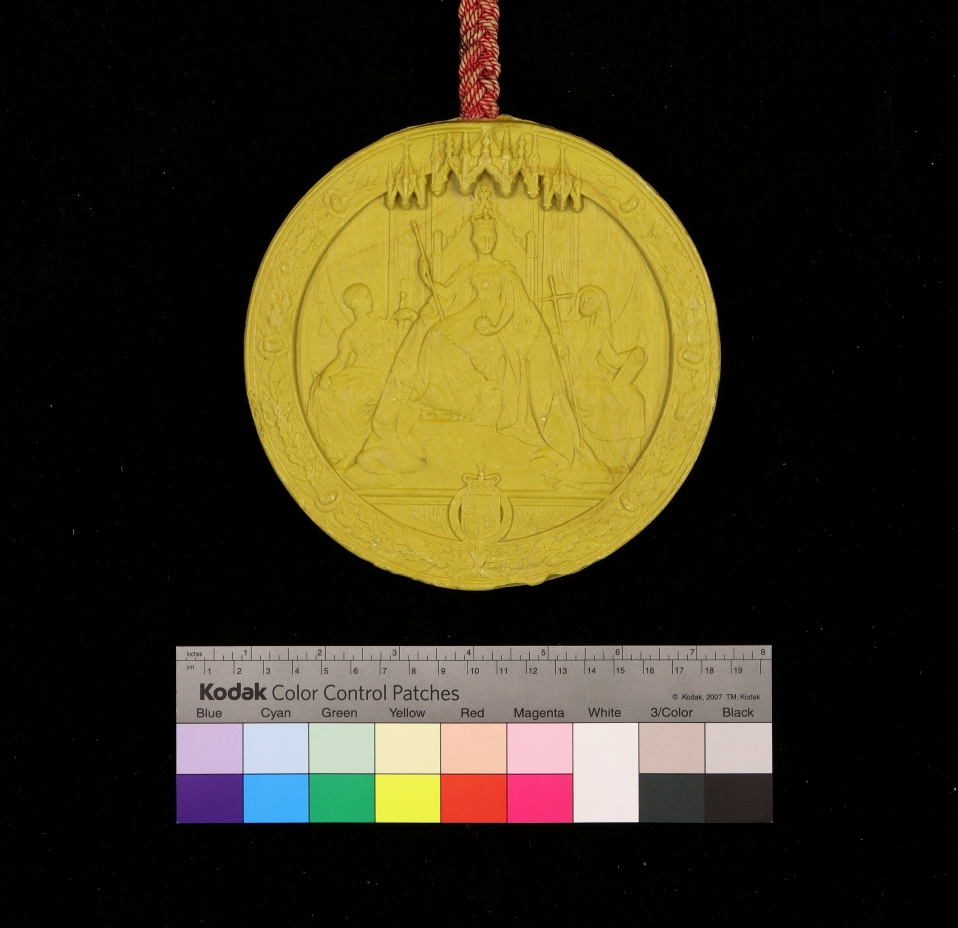
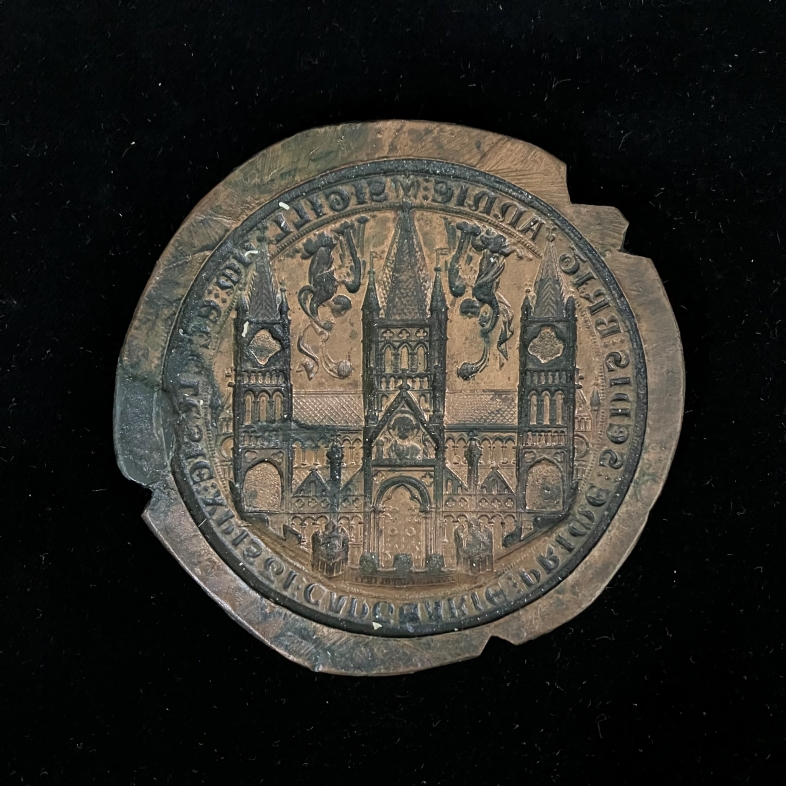
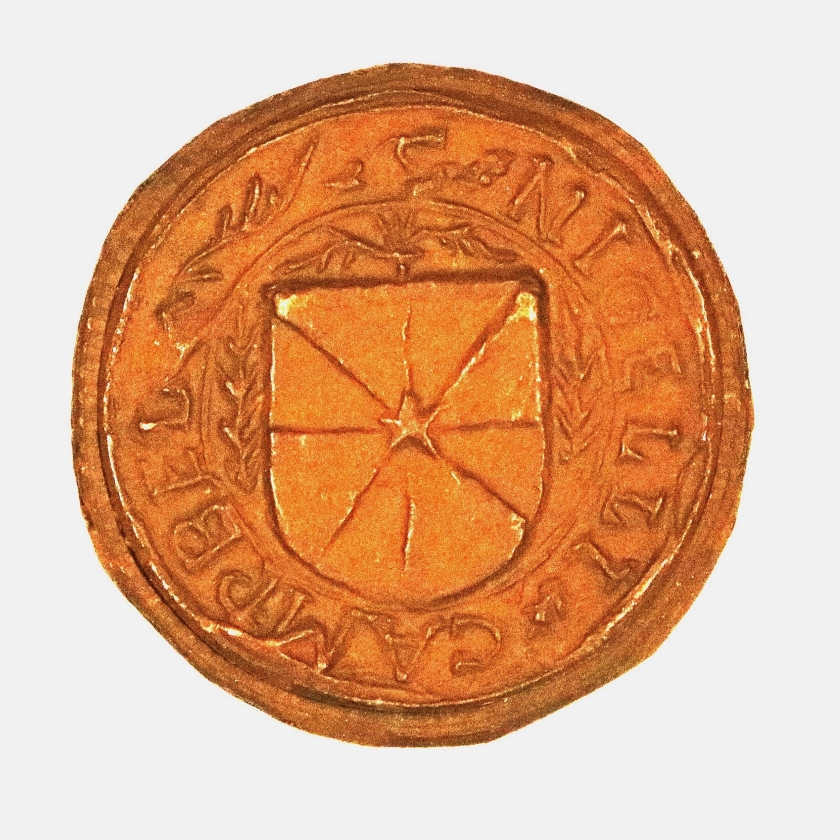
But what is a seal? The word itself is a general term for what are actually three separate physical objects: 1) a matrix – a hard object into which an image and/or words have been engraved in reverse in order to create; 2) an impression – a soft material into which a matrix is pressed and which hardens to retain the imprint; 3) casts of both matrices and impressions – copies made for various purposes, e.g. study or display.
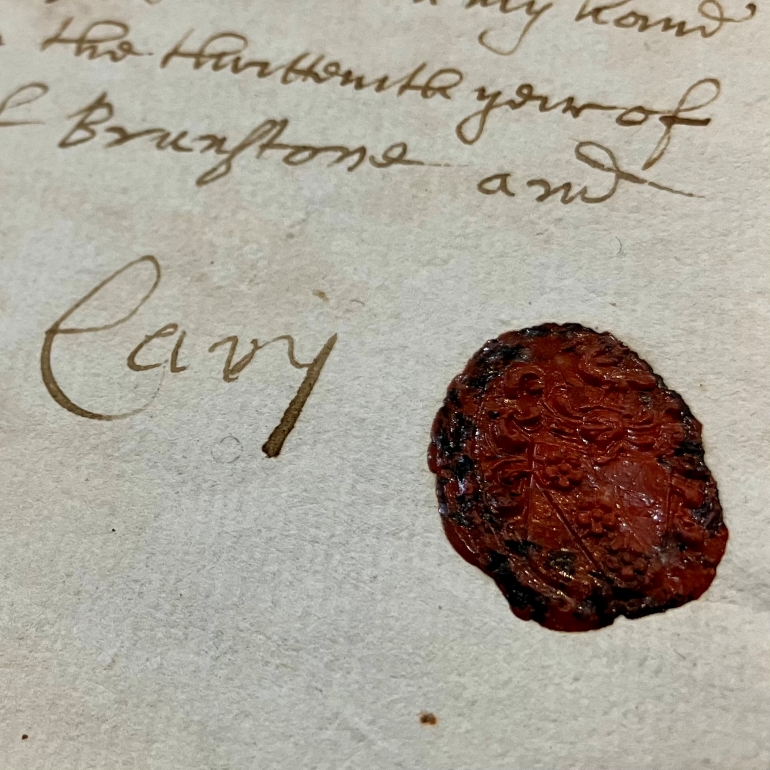
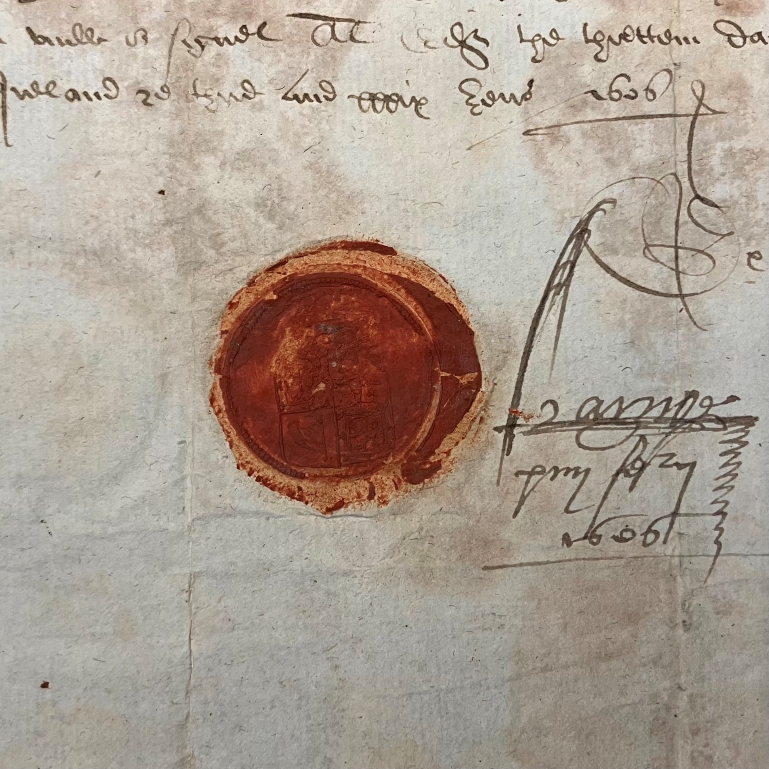
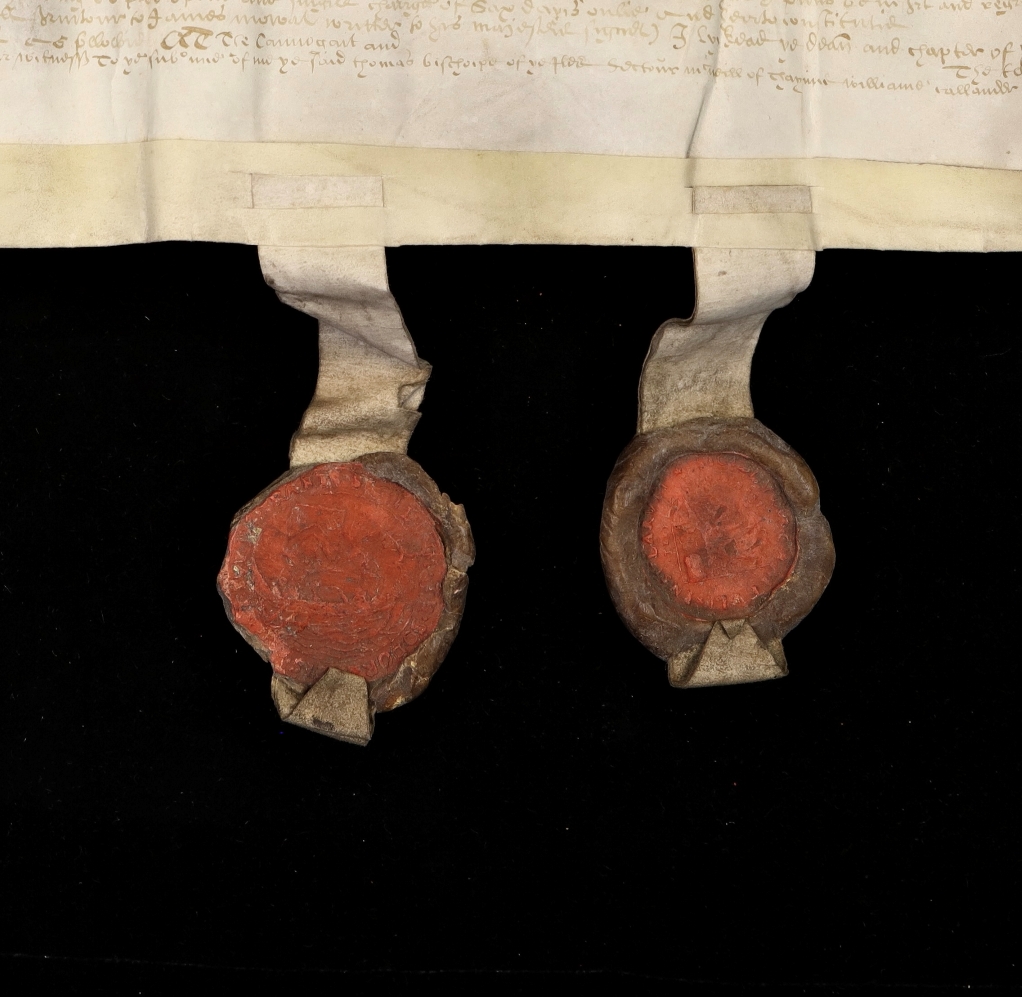
Seals can be divided into two broad categories: seals of closure, for literally sealing shut a wrapper, folded letter, etc. and seals of validation & authentication. Within the latter category these seals can either be applied directly to the surface of a document, which was rare before the 16th century, or attached in pendant form and suspended by cord, tag or tongue. All these methods were used by the main groupings of Scottish sigillant: royal & governmental, official and personal. The last is by far the largest and most diverse group, incorporating everyone from high nobility to the individual with a fob matrix hanging from their watchchain.
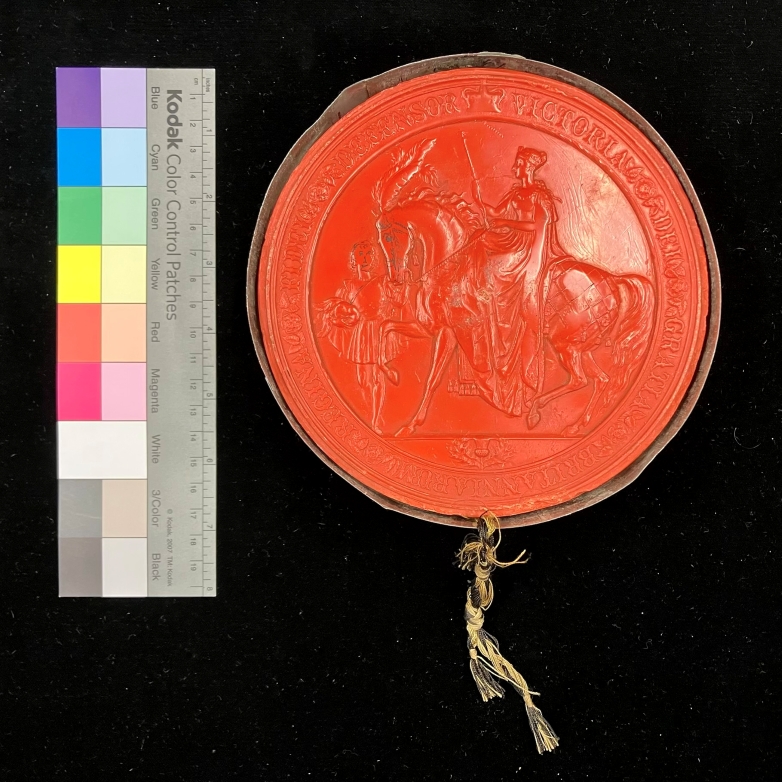
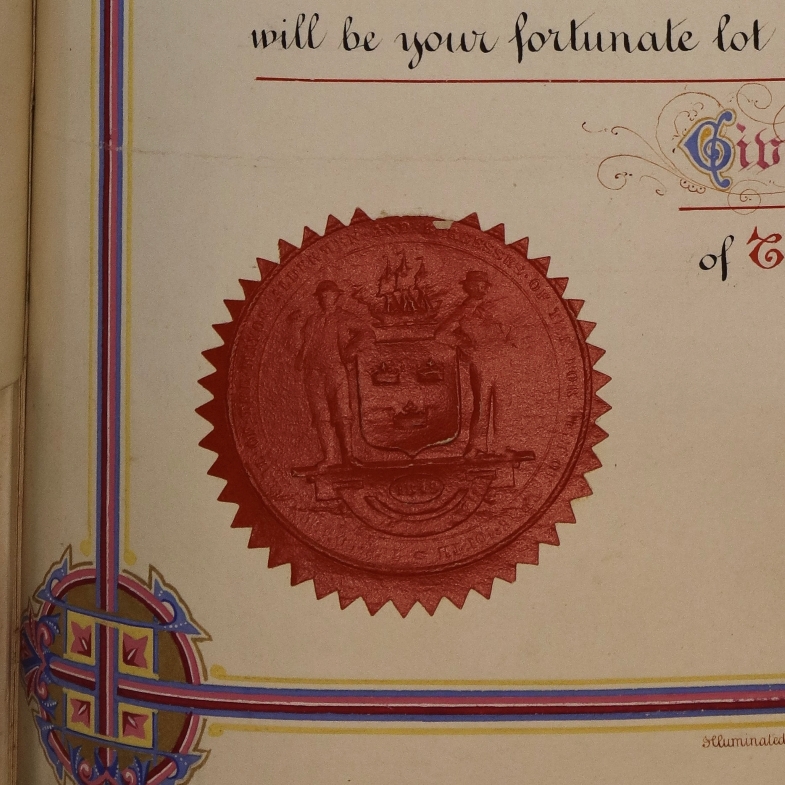
Wax (beeswax, pigmented or plain) was the most commonly used material for seals until the late 17th century, when shellac (the resinous secretion of the Asian ‘lac’ insect, usually Kerria lacca) took over. Lead was famously used for papal seals or bulla, and wafer seals feature a piece of coloured paper or paste – sometimes sandwiched between two plain pieces of paper – into which a raised stamp impression is made.
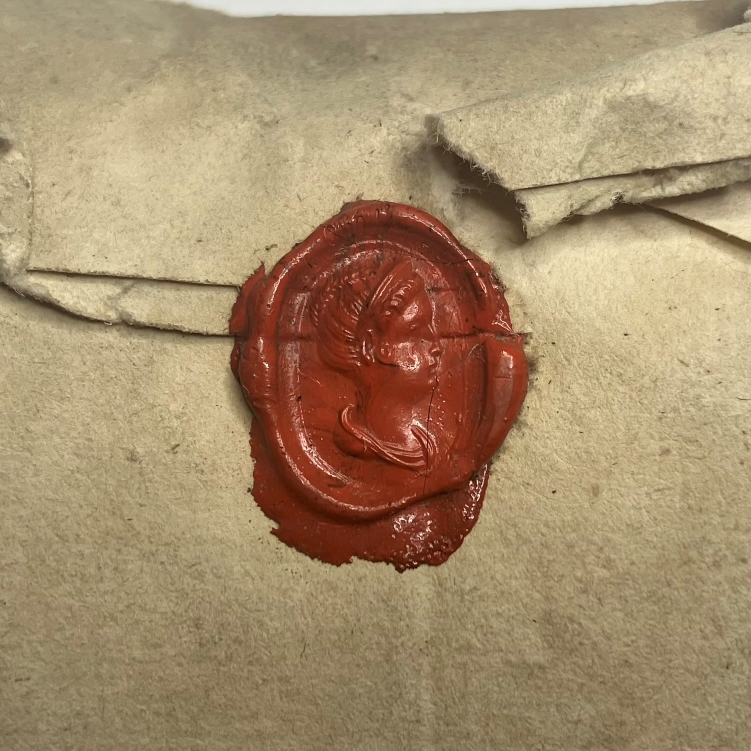
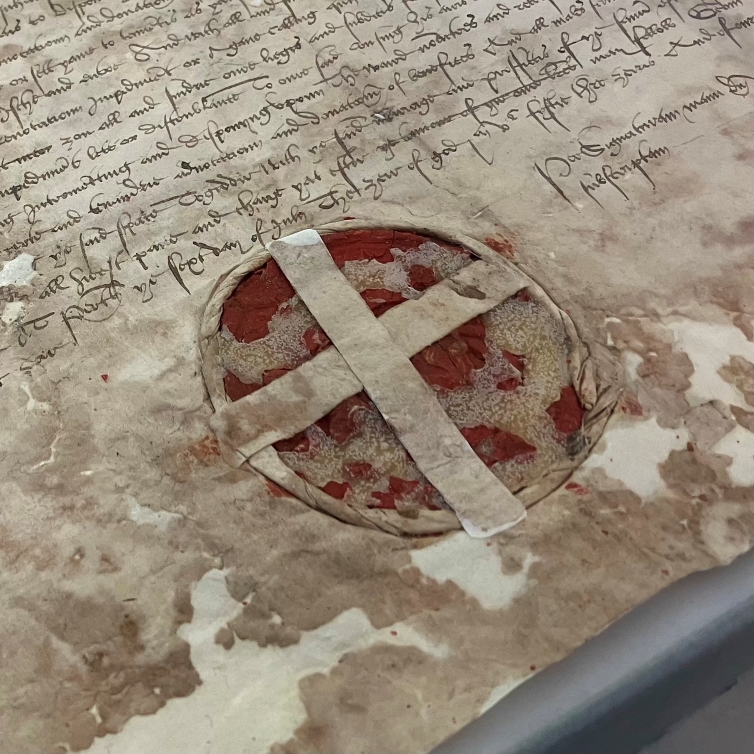
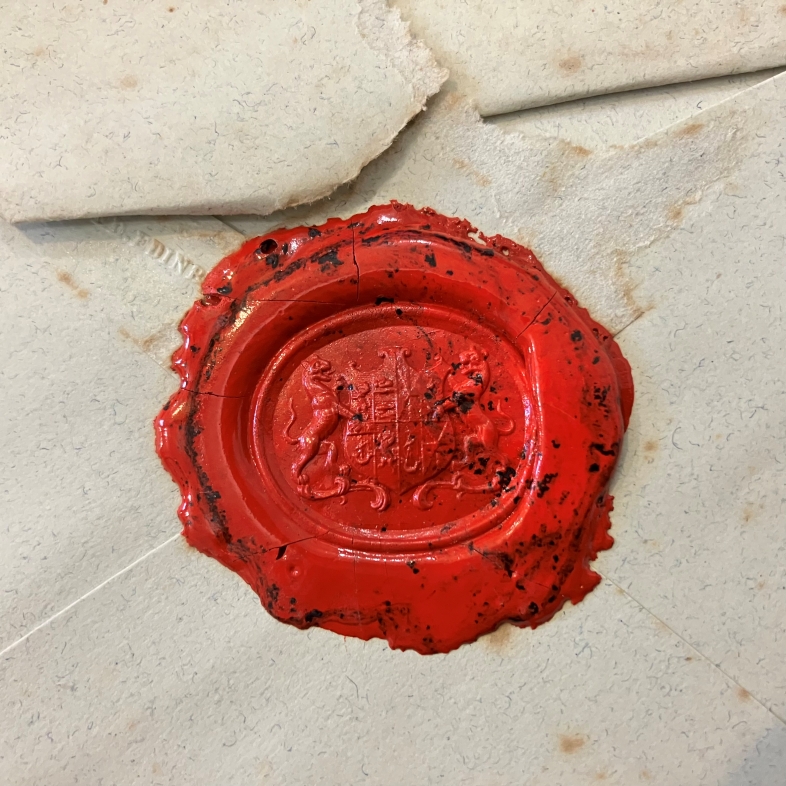
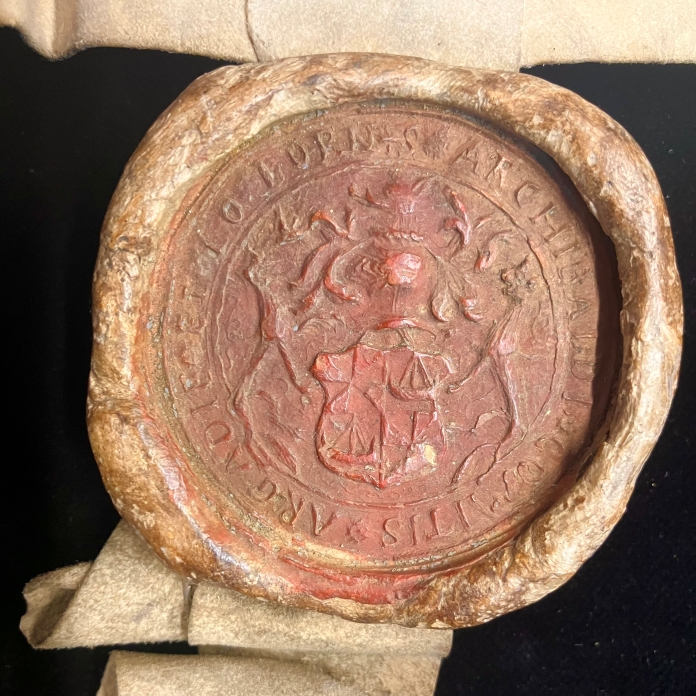
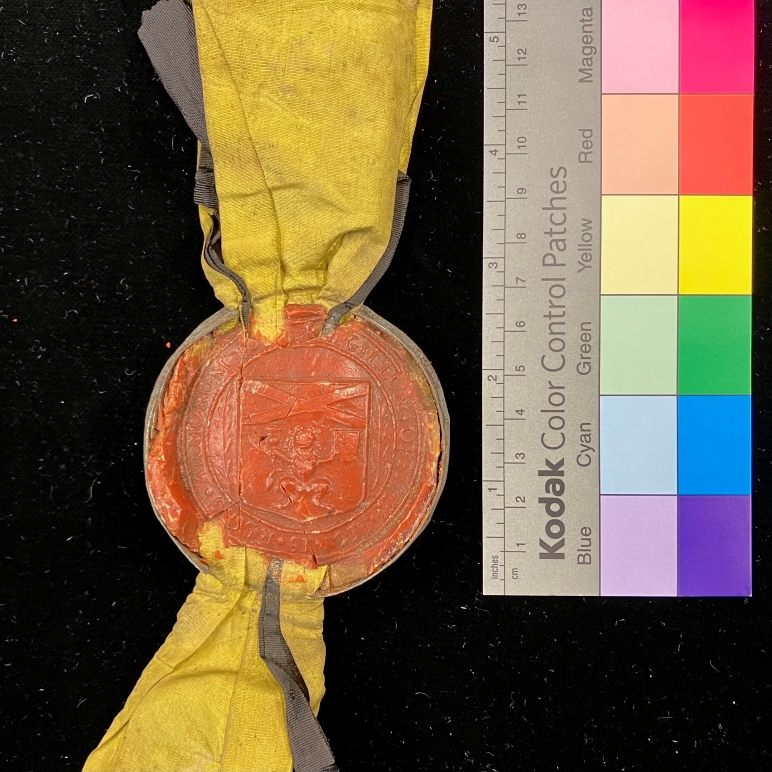
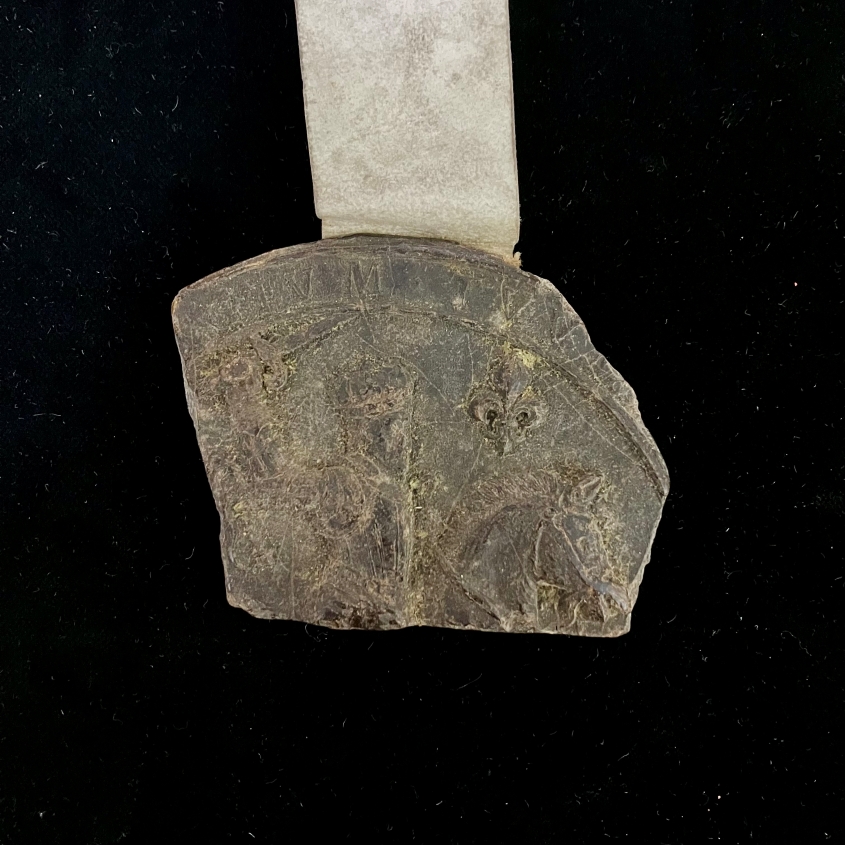
The gallery below includes a selection of seal impressions found in Argyll Estates Archives. Those chosen reflect the wide range of seal types we hold. They also highlight the exciting lives and activities of the Campbell family over the centuries, providing valuable evidence of everything from royal land grants to merchants’ bills. Enjoy!
For further reading, see the Archives & Records Association’s Guidelines for cataloguing and recording seals, expertly written by Charlotte Berry, Philippa Hoskin and Elizabeth New.